Cloud isn’t standing still — and neither should we.
Every year, new trends, pressures, and opportunities reshape what cloud means for enterprises. Whether you’re knee-deep in FinOps or still wrestling with legacy systems, it’s clear that the cloud continuum is expanding — and so are the decisions IT and business leaders need to make.
Here are the trends I see shaping the next phase of cloud, based on conversations, industry shifts, and real-world adoption patterns — not just vendor roadmaps.
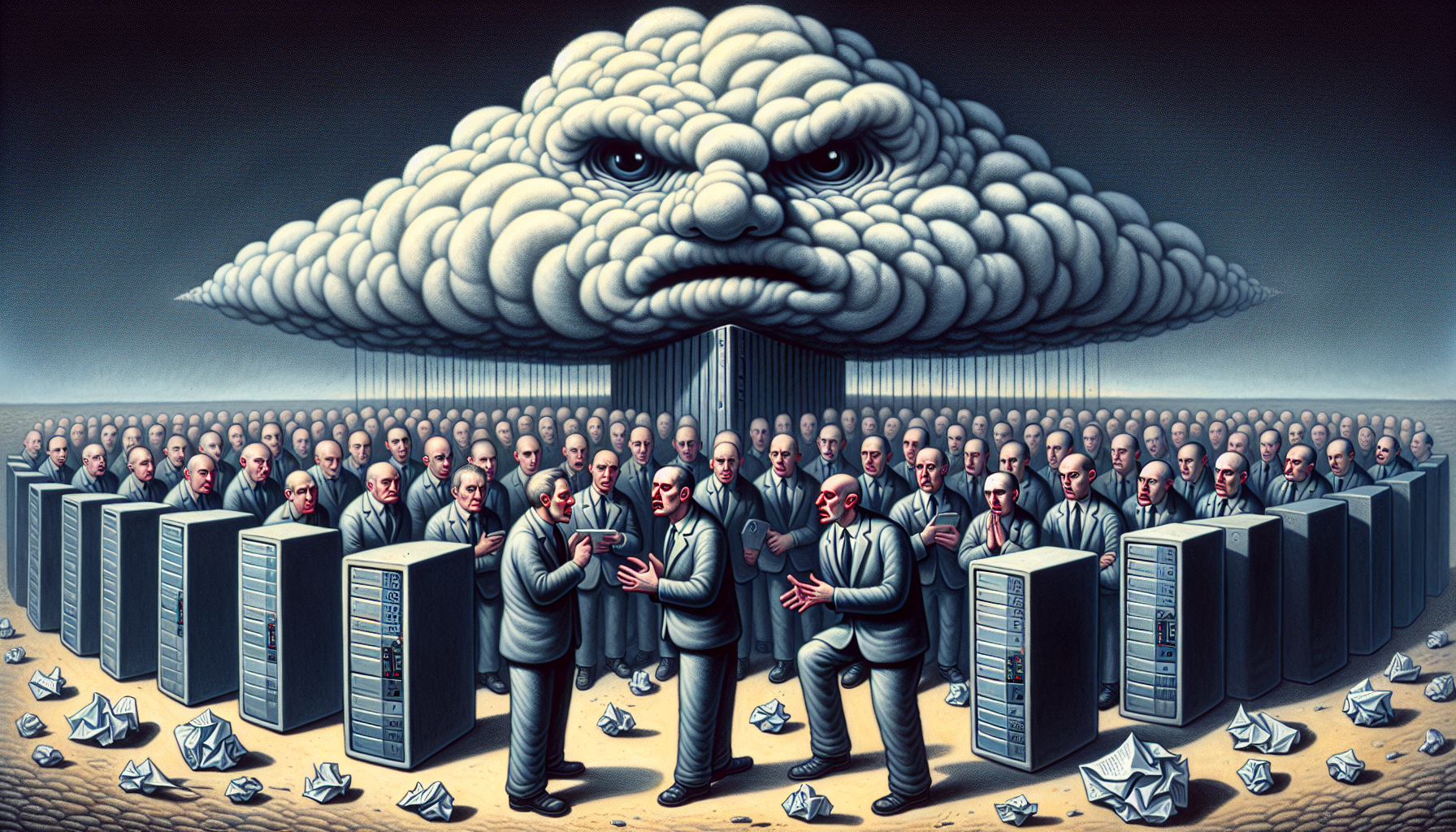
The Rise of Cloud Skepticism (Again)
Yes, cloud is here to stay — but the blind rush is over.
Enterprises are now asking harder questions:
- “What’s the ROI of this platform?”
- “Why are our cloud bills going up again?”
- “Do we need to repatriate anything?”
Expect more nuance, more cost analysis, and a shift from “cloud-first” to “cloud-smart” — where the business need defines the platform, not the other way around.

FinOps Gets Real
FinOps is no longer a buzzword — it’s an operational imperative.
In the coming years, we’ll see:
- FinOps becoming embedded in DevOps workflows
- Real-time cost visibility across departments
- Stronger cross-functional accountability for cloud usage
Enterprises will need tools, processes, and culture to not just monitor spend, but actively manage it.

Sovereign Cloud, Regional Clouds, and Data Residency
Geopolitical pressure is reshaping IT strategy.
Data sovereignty, privacy laws, and national security concerns are leading to:
- Country-specific cloud offerings
- Increased regulatory scrutiny
- Fragmented infrastructure decisions
For global businesses, this creates complexity. For others, it creates opportunity to localise, differentiate, and comply more intelligently.
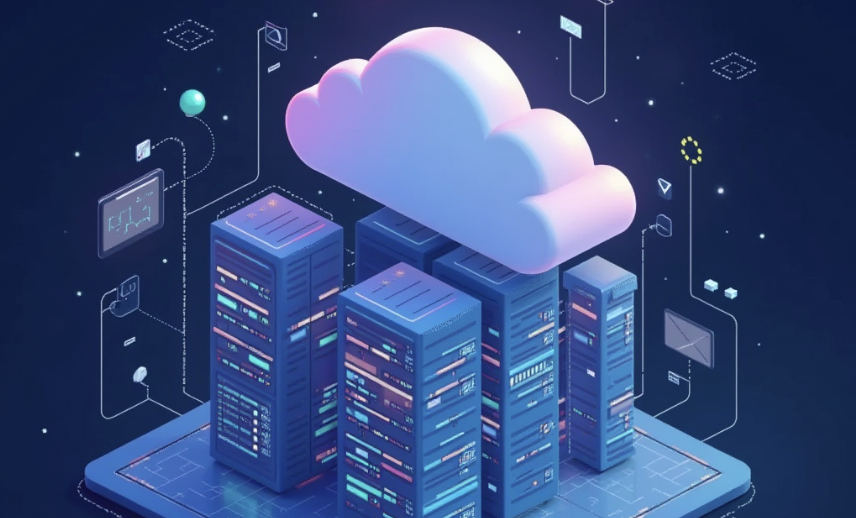
AI-Native Cloud Architectures
Cloud is becoming the backbone of modern AI — but it’s not just about adding GPUs.
Expect architectural shifts that favour:
- Event-driven, asynchronous models
- AI-focused data pipelines
- Distributed, scalable inference engines
- Cloud providers embedding AI into every service layer
- Protected AI is becoming an increasing concern
Cloud strategies will increasingly need to consider how AI impacts design choices — and how cloud services evolve to support the AI lifecycle.

The End of the Monocloud Era
Multi-cloud is no longer an aspiration — it’s a reality. But not for the reasons we used to think.
It’s not about “avoid vendor lock-in” anymore — it’s about:
- Serving different business units with different needs
- Acquiring new capabilities through M&A
- Playing to each provider’s strengths
- Like or not the old issue of fixing Shadow IT
The winners will be organisations who can create interoperability and governance models that keep multi-cloud from turning into multi-chaos.
The New Operating Model: Platform Teams and Product Thinking
Traditional IT silos are under pressure. The future of cloud operating models looks more like:
- Internal platform teams acting like service providers
- Product managers overseeing internal tools
- Shared accountability across Dev, Ops, Finance, and Security
This shift is less about tooling and more about mindset — moving from “infrastructure as code” to infrastructure as a product, and letting so of the silo mentality
If any of this resonates — whether you’re wrestling with legacy systems, trying to rein in cloud spend, or just figuring out what direction to take next — I’d love to hear about it. Feel free to get in touch if you’d like to talk through your challenges. We’re part of a specialist Cloud Advisory team that works with organisations navigating these very issues, and we’re always up for a conversation.

Discover Compelling Narratives and Specialist Perspectives
Contact us : Information@dqloud.com
